Avoiding particle filter clogging: how to do it.
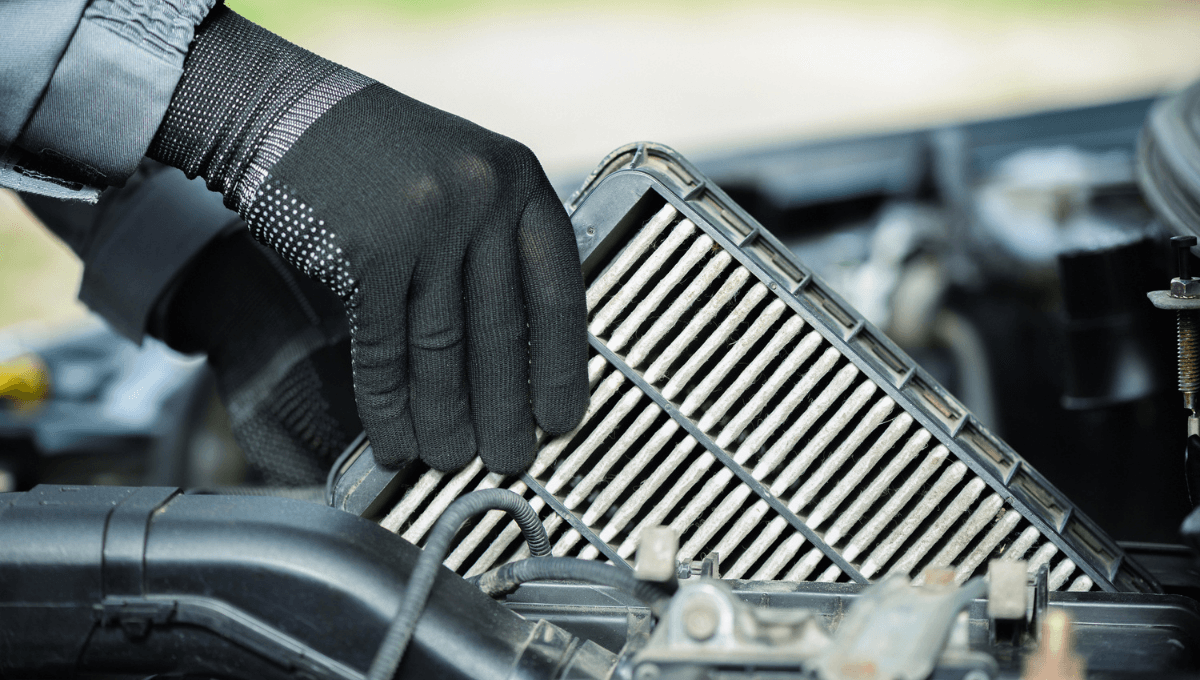
The particulate filter, known as FAP or DPF, is a vital part of the exhaust system of diesel vehicles. Its main function is to capture and reduce pollutant particles produced during fuel combustion. However, in order for it to function optimally, it is essential to avoid problems with filter clogging. In this guide, we will explore how to avoid particulate filter clogging for more efficient and environmentally friendly driving.
Understanding the Operation of the Particle Filter
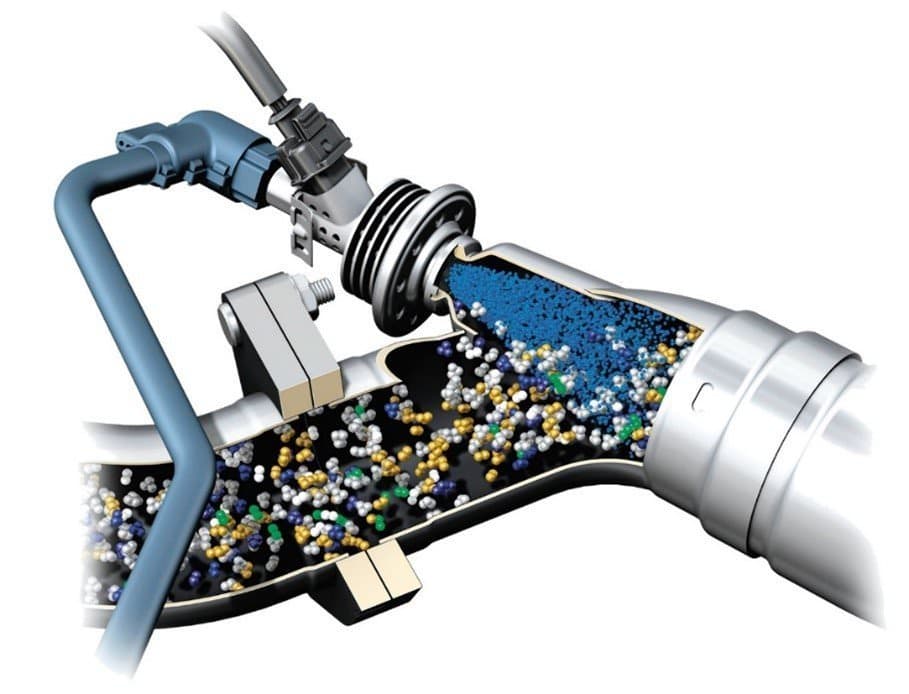
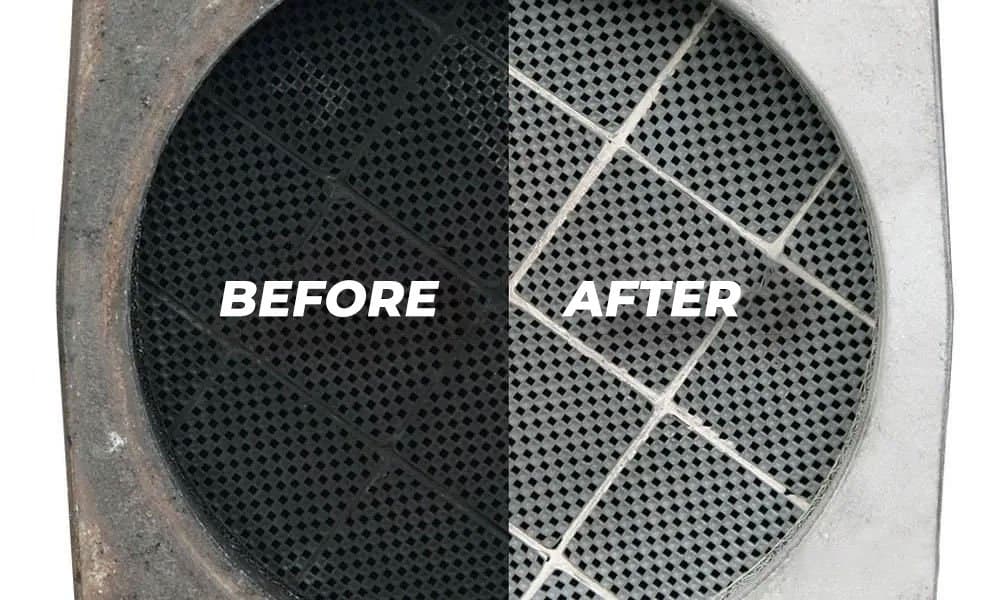
Before we delve into strategies to prevent particulate filter clogging, it is crucial to understand how it works. The FAP or DPF acts as a trap for polluting particles, capturing solid particles and burning them at high temperatures in a process known as regeneration. This process is critical to keeping the filter clean and ensuring optimal performance.
How to Avoid Clogging the Particle Filter
1. Driving at High RPMs
Particle filter regeneration takes place at high temperatures. To aid this process, it is advisable to drive the vehicle at high engine speeds, especially if most of your journeys involve short journeys or city driving. Avoid driving exclusively at low revs, as this can lead to clogging of the filter.
2. Use High Quality Fuel
Poor quality fuel can contain impurities that increase the risk of filter clogging. Always opt for high-quality fuel and consult your vehicle manufacturer's recommendations for the type of fuel to use.
3. Driving with Careful Gear Shifts
Shifting gears aggressively or abruptly can increase the production of pollutant particles. Smoother and more careful driving helps reduce the load on the particle filter.
4. Follow the Maintenance Schedule
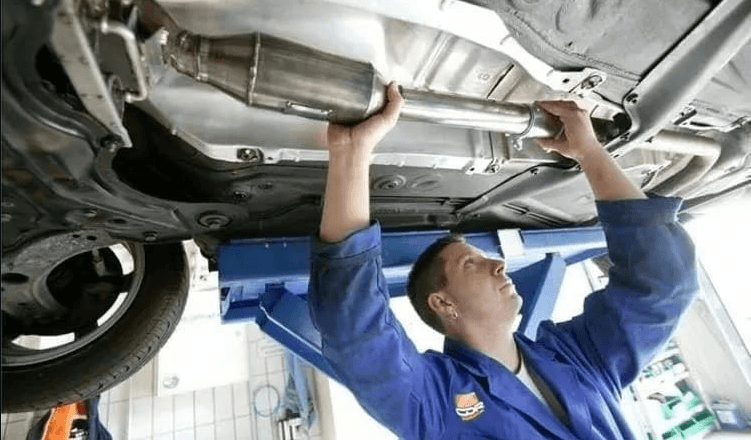
Maintaining your vehicle according to the manufacturer's recommended maintenance schedule is essential. This may include periodic cleaning or replacement of the particulate filter. Do not neglect these operations.
5. Uses Fuel Additives
Some fuel additives are designed to keep the particulate filter clean. Consult your mechanic or the manufacturer for specific recommendations on additives to use.
6. Monitor Warning Signs
Most modern vehicles are equipped with particle filter monitoring systems. Pay attention to any warning signs on the dashboard and act promptly if the system indicates problems.
Conclusion
Preventing particulate filter clogging is essential to keep your diesel vehicle in top condition, ensure optimal performance and help reduce pollutant emissions. By following the guidelines in this guide and maintaining careful driving and regular maintenance, you can prolong the life of your FAP or DPF and enjoy a more efficient and environmentally friendly drive.
Cleaning and reconditioning of FAP/DPF particulate filters and catalytic converters. We assess blockage, condition and recovery options.
FAP, DPF and catalytic converter cleaning →